Greetings are the foundation of human interaction. In Chinese culture, where relationships hold deep importance, the right greeting can leave a lasting impression, build rapport, and show cultural awareness.
Whether you’re greeting someone in the morning, addressing a group, or meeting someone for the first time, knowing the right phrase will help you navigate conversations with confidence. Let’s explore eight essential Chinese greetings and when to use them!
Morning! 早
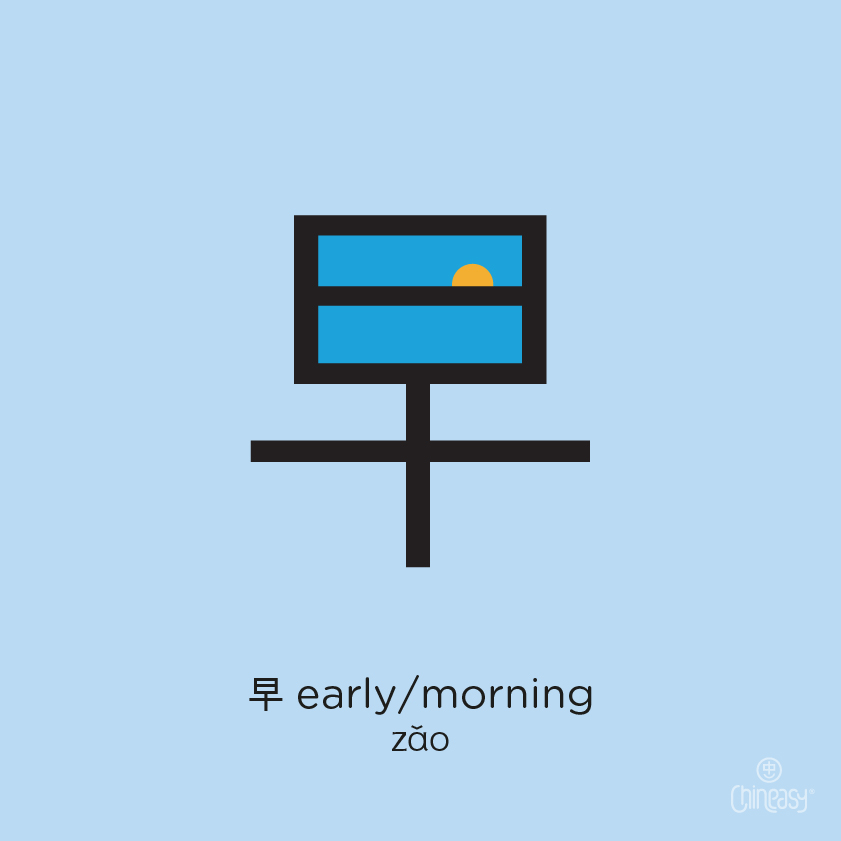
The character 早 (zǎo) combines 日 (sun) and 十 (ten), visually representing the sun rising over the horizon.
This simple yet warm greeting means “morning” and is a casual way to greet someone before noon.
Among friends and colleagues, you might hear a lively exchange of “早! 早! 早!”, adding an extra layer of friendliness.
Good Morning 早安
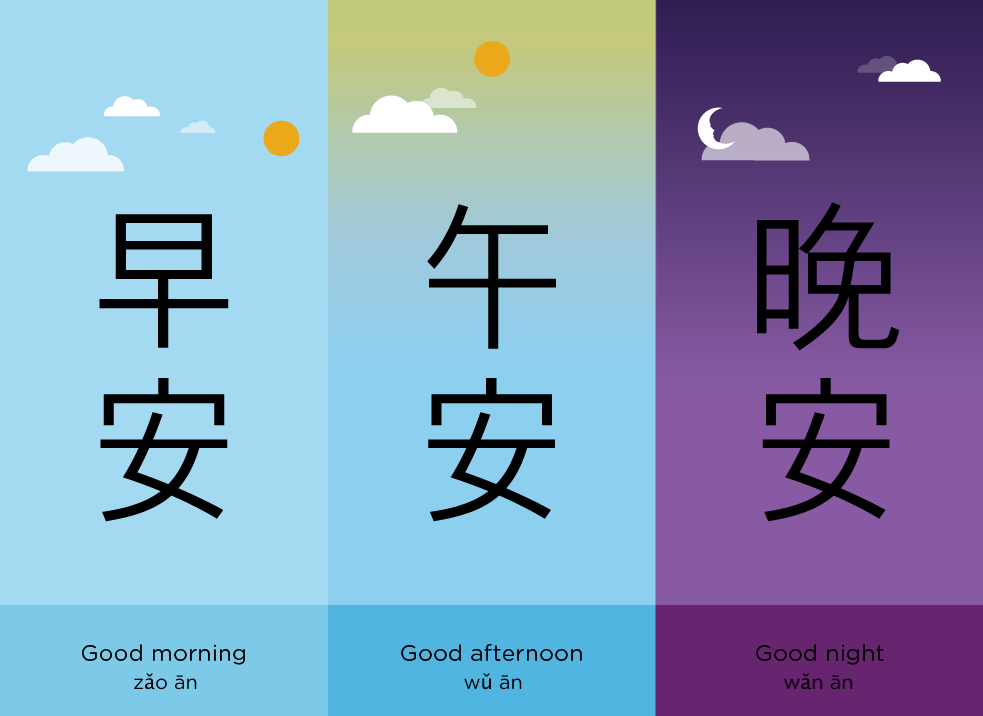
早安 (zǎo ān) combines 早 (morning) with 安 (peace), literally meaning “morning peace.”
This greeting is more commonly used in Taiwan, especially when you walk into a breakfast shop. The owner or staff will often greet you with 早安, creating a warm and welcoming atmosphere.
In Mainland China, people are more likely to say 早上好 (zǎo shàng hǎo) instead.
Good Afternoon 午安
When the day shifts past noon, 午安 (wǔ ān) becomes the appropriate greeting. It combines 午 (noon) with 安 (peace), meaning “noon peace.”
This phrase is more commonly used in Taiwan, especially in formal settings like broadcasting. News anchors and radio hosts often greet their audience with 午安, but it is less commonly used in everyday conversations.
In Mainland China, people prefer 下午好 (xià wǔ hǎo) when greeting others in the afternoon. 下午 means “afternoon,” and this phrase is more widely used in both formal and semi-formal settings.
Good Evening 晚上好
When evening arrives, 晚上好 (wǎn shàng hǎo) becomes the appropriate greeting. It combines 晚上 (evening) with 好 (good), meaning literally “evening good.”
This phrase is more commonly used in Mainland China, especially in formal or semi-formal settings. It is often heard in professional interactions or on TV programs, where hosts greet their audience.
In Taiwan, people rarely use 晚上好. Instead, they prefer 晚安 (wǎn ān), which serves as both “good evening” and “good night.” 晚安 is used more casually and is often said when parting ways at night.
Good Night 晚安
晚安 (wǎn ān) is a universally recognized phrase across all Chinese-speaking communities. It combines 晚 (evening/night) with 安 (peace), conveying a wish for a peaceful night—making it the perfect way to say “good night.”
This phrase is commonly used when parting ways late in the evening or before going to bed. Whether in Taiwan, Mainland China, or other regions, 晚安 carries warmth and sincerity, making it a timeless and widely appreciated expression.
Hello, Everyone 大家好
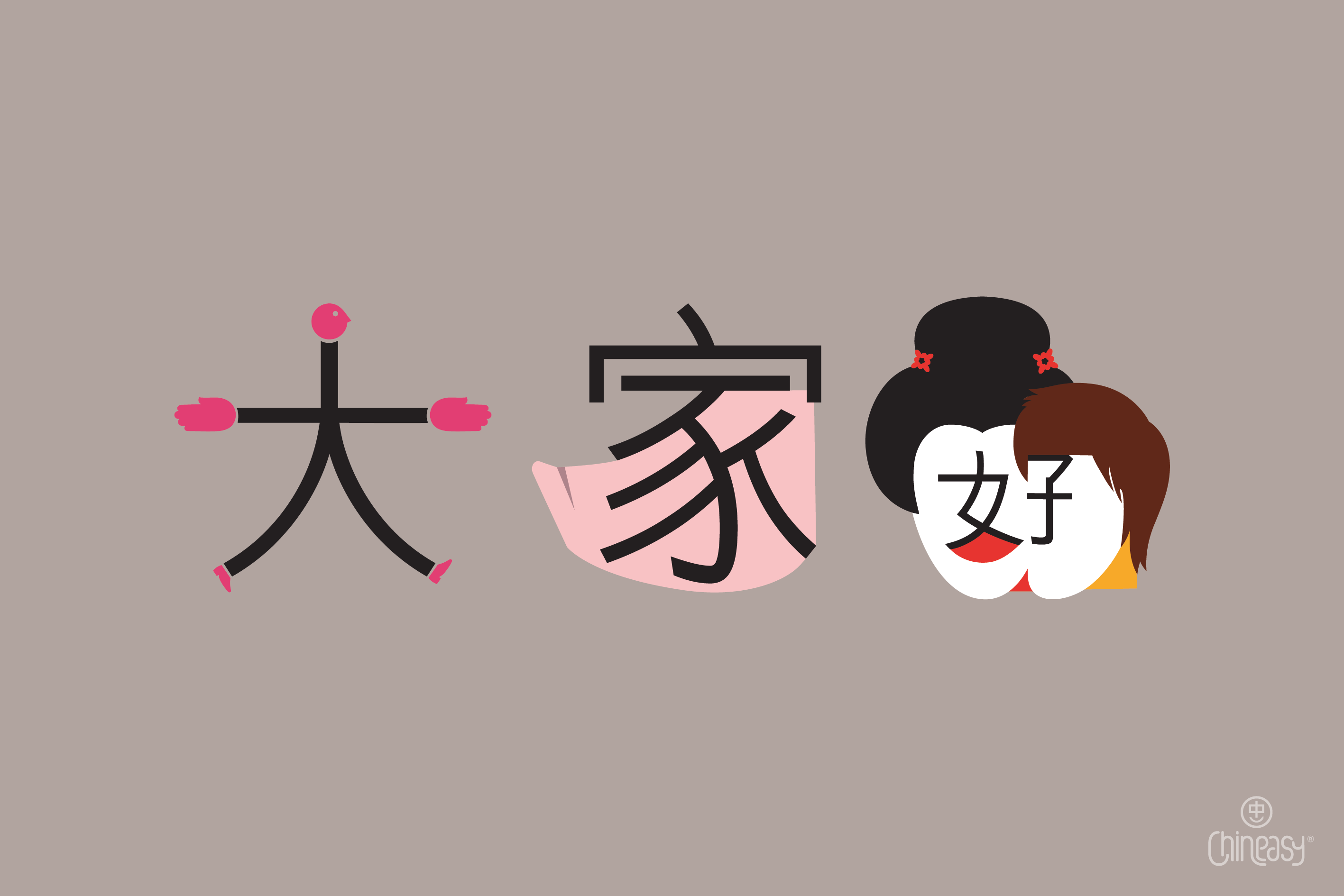
When greeting a group of people, 大家好 (dà jiā hǎo) is the perfect phrase.
大家 translates to “everyone” (literally, “big family”), and 好 means “good.”
This greeting is commonly used in classrooms, meetings, presentations, or any group setting.
Hello 你好
你好 (nǐ hǎo) is often the first greeting taught to Chinese learners, but among friends and close acquaintances, it’s rarely used because it sounds overly formal.
This greeting is best suited for first-time meetings, polite interactions, or when addressing strangers. Think of it as similar to “How do you do?” in English—it’s correct but slightly formal for casual conversations.
Hello/Hi 哈囉/哈啰
For a more relaxed and casual way to say hello, 哈囉/哈啰 (hā luō) is a great alternative. It’s the Chinese transliteration of “hello” and is popular among younger generations.
If you’re looking for a greeting that bridges cultural gaps and sounds more modern, this is a great choice!
The Power of the Right Greeting
A simple greeting can set the tone for an entire conversation. In Chinese, choosing the right one shows respect, builds connections, and deepens cultural understanding.
So next time you meet someone, don’t just say 哈囉/哈啰 (hā luō; hello)—try other suitable greeting and make a lasting impression.